01
Electronic files
Information exists, but relationships are manually maintained.

QMSpace is a digital platform that connects medical-product lifecycle activities, requirements, CQAs, risks, objective evidence, quality processes, regulatory submissions, and proven knowledge in one governed product context.
QMSpace: Connected lifecycle execution. Connects lifecycle activities, requirements, risks, CQAs, V&Vs, quality systems, and regulatory submissions.
Information exists, but relationships are manually maintained.
Requirements, CQAs, risks, controls, evidence, ownership, and status become governed data.
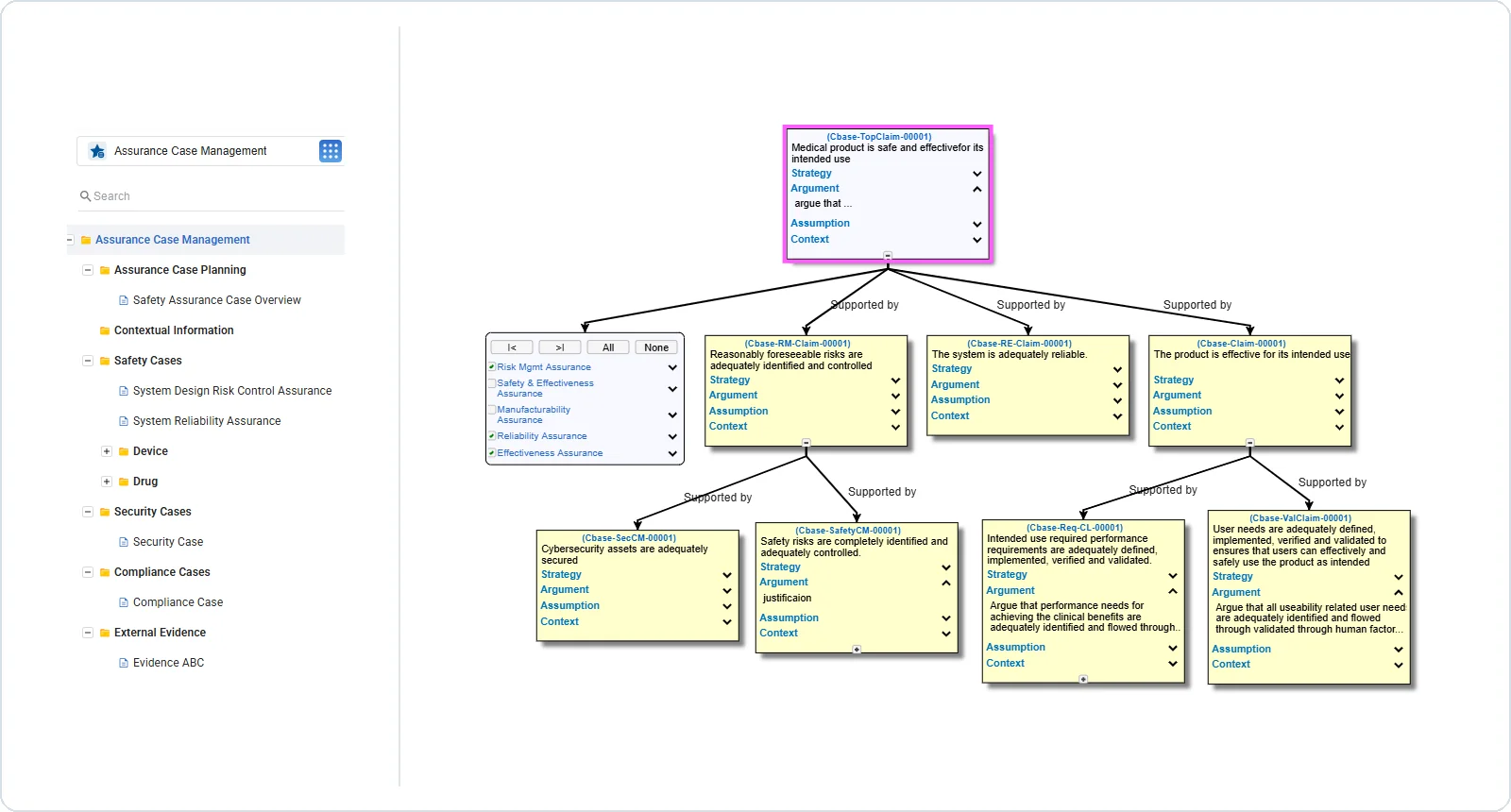
Teams navigate traceability, dependencies, architecture, and change impact.
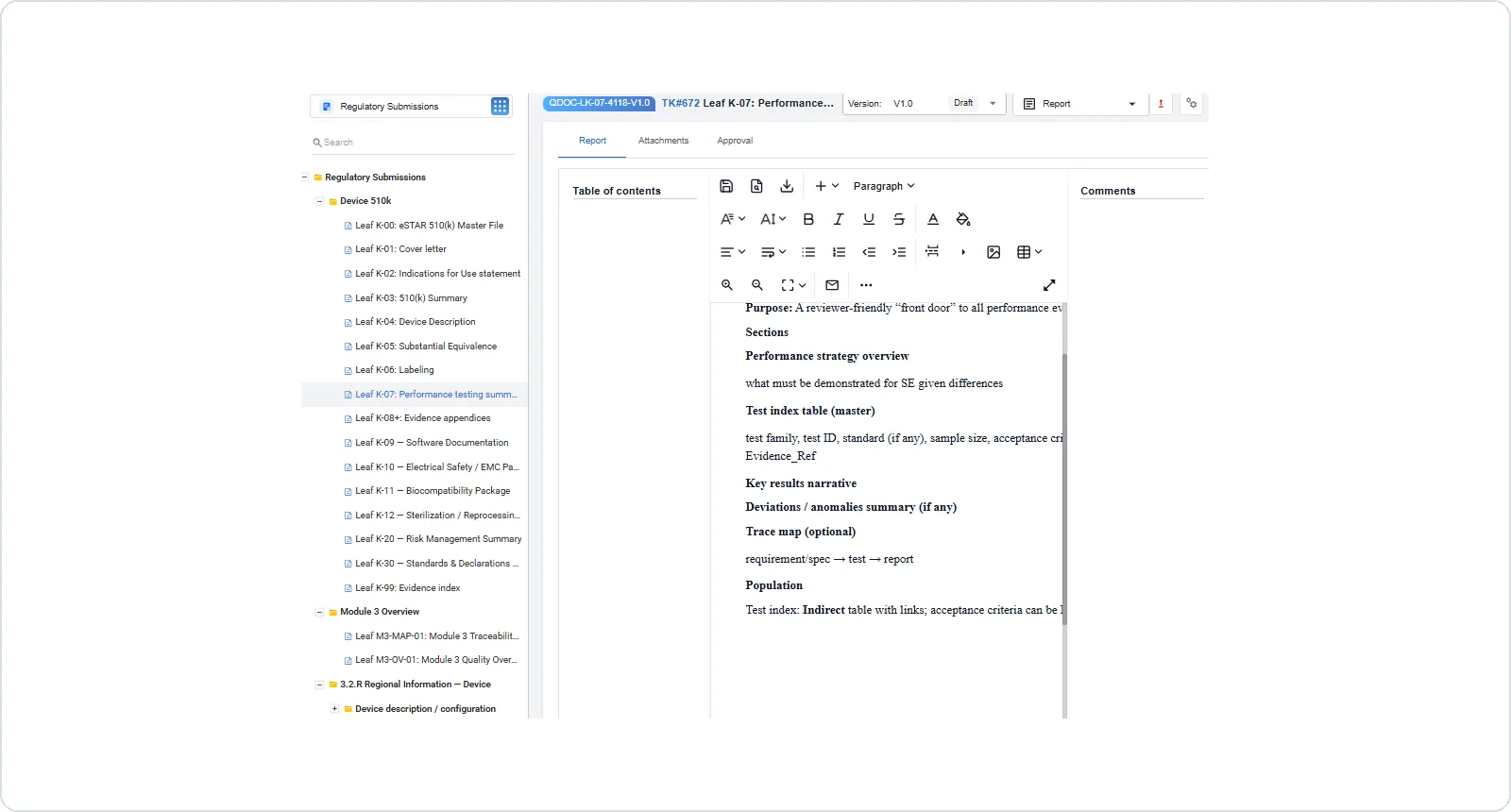
Reports, matrices, approvals, and regulatory content use current source data.
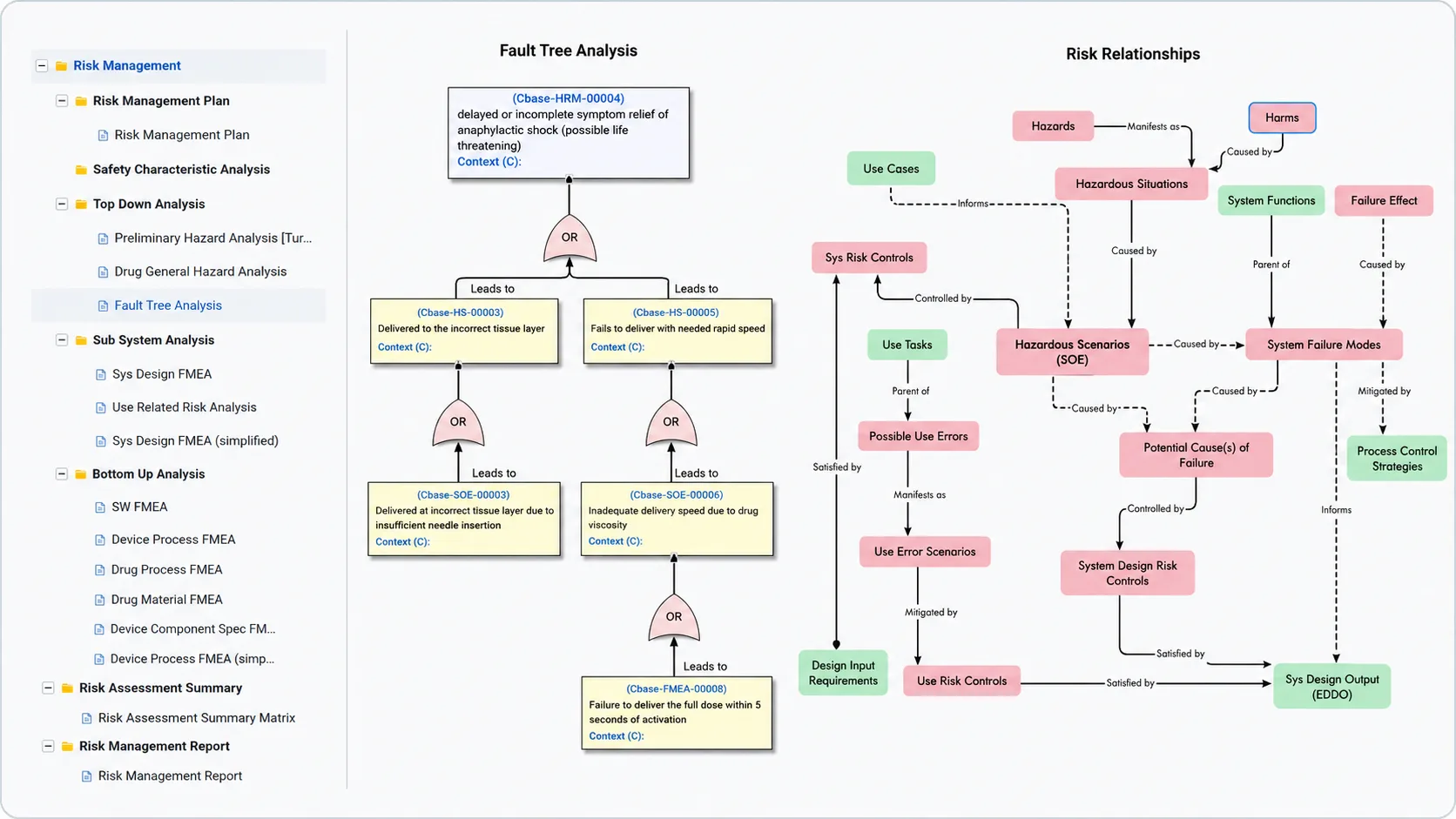
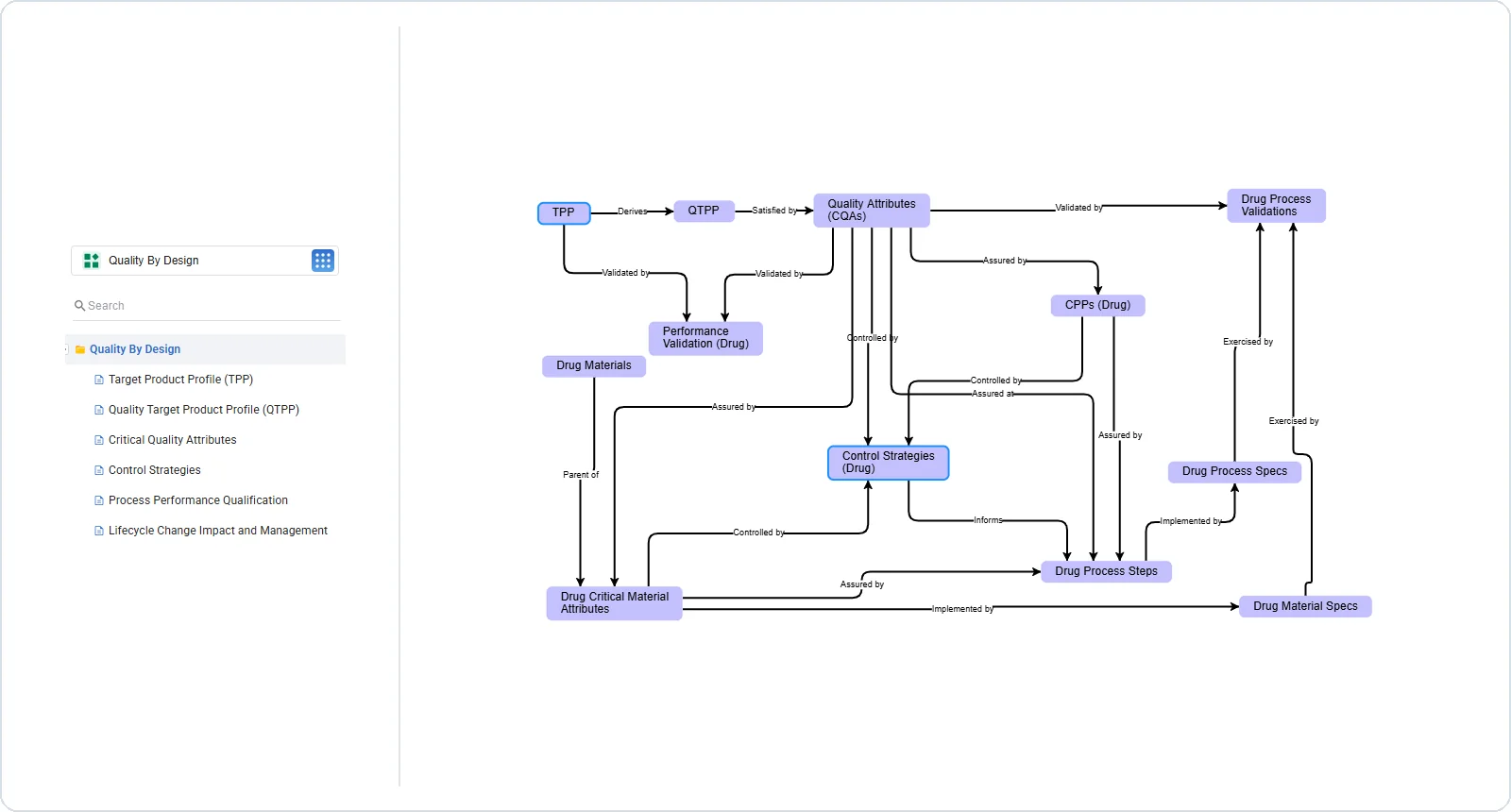
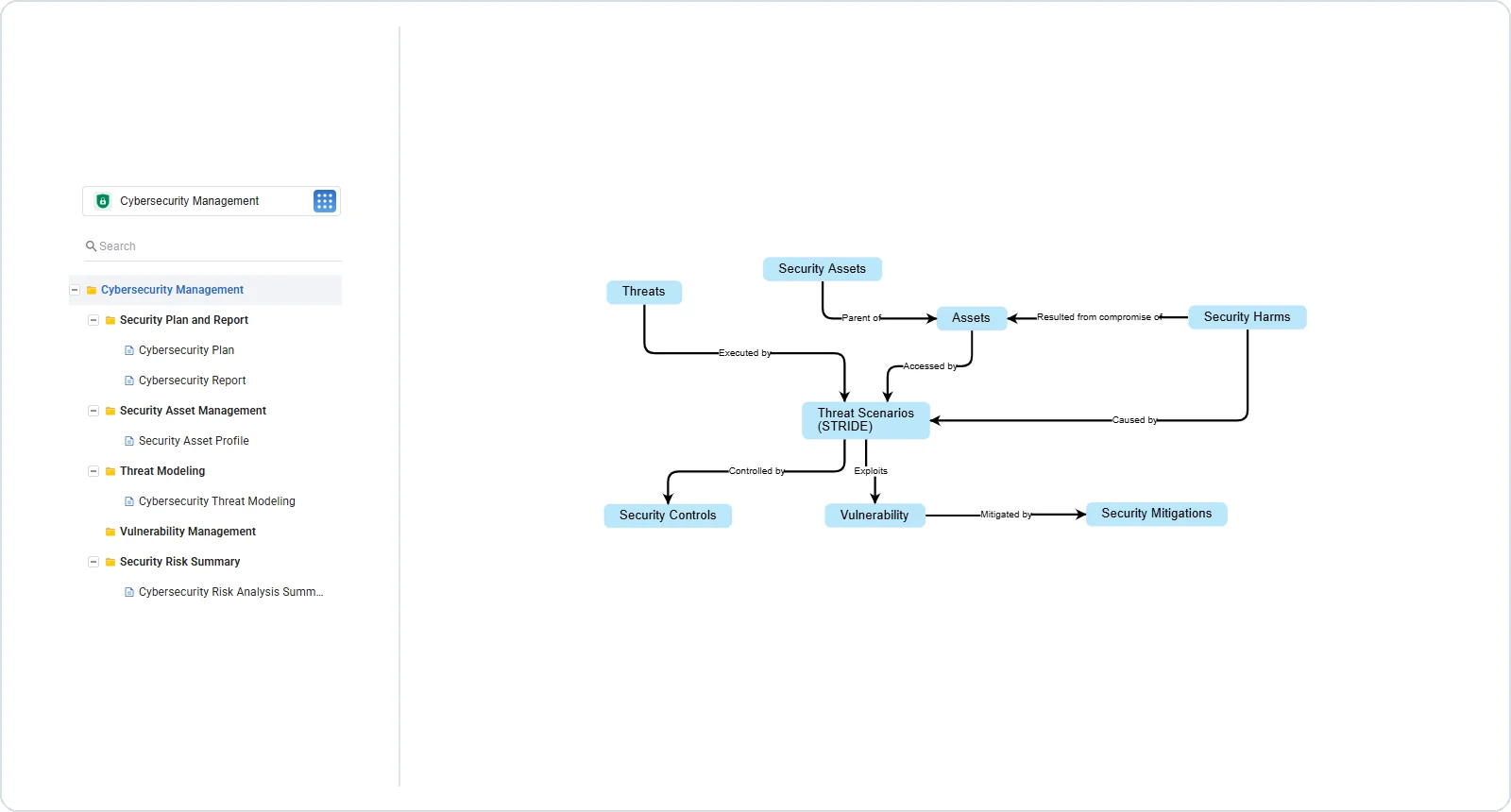
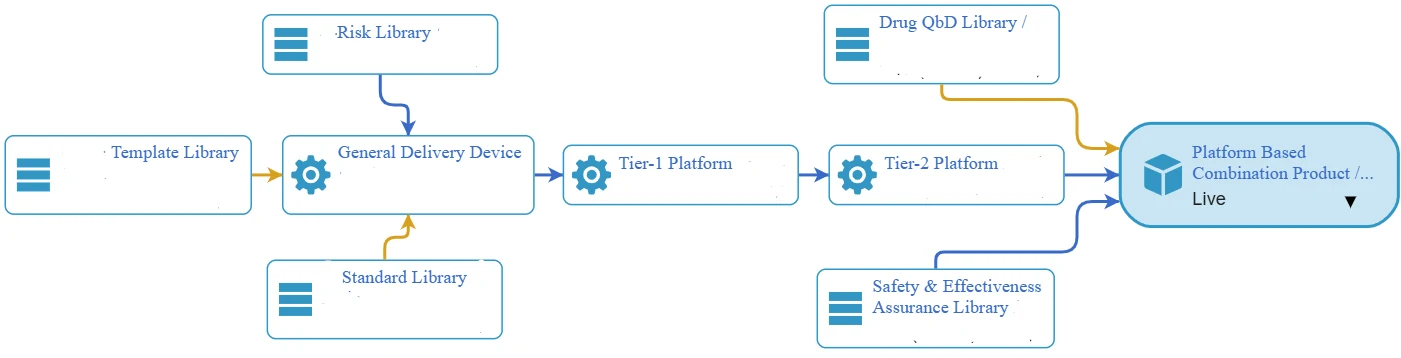
Explore representative QMSpace capabilities. Each view shows how structured data, relationships, and deliverables remain connected inside one governed product context.
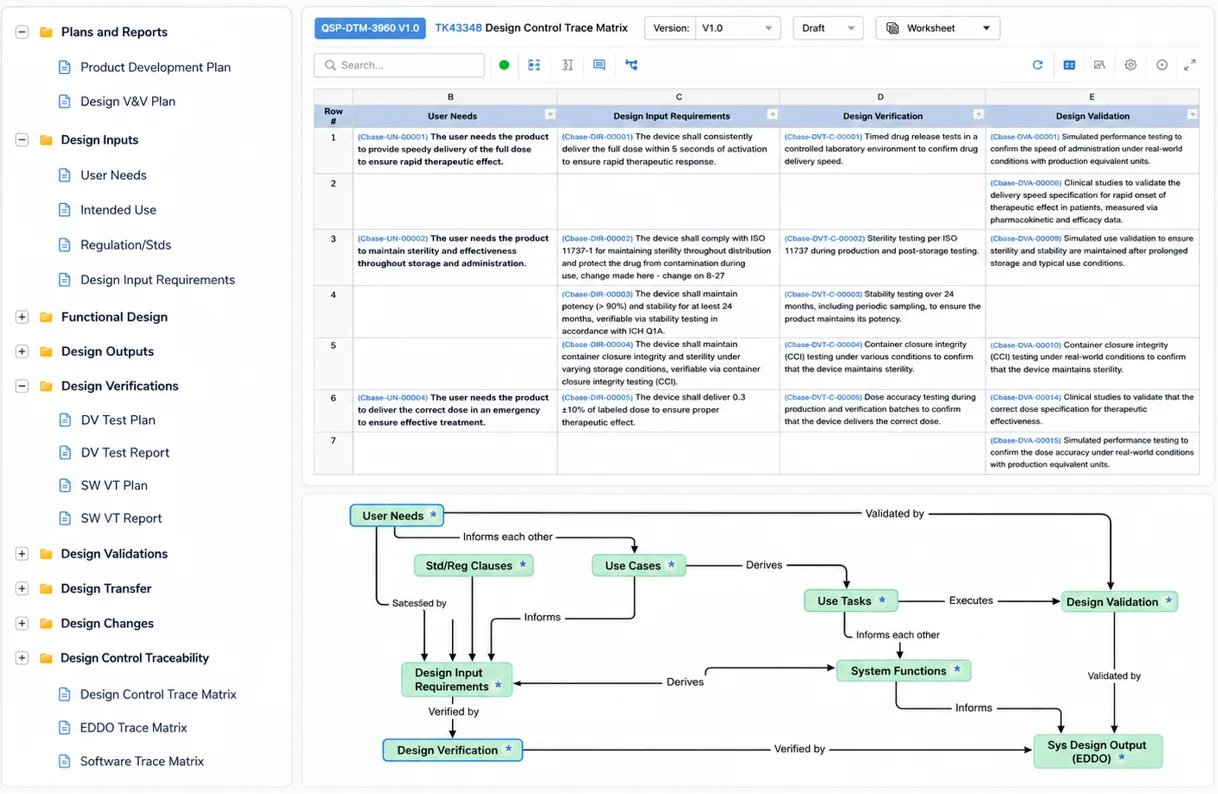
Manage design-control data, relationships, and deliverables as connected information rather than isolated documents.
QMSpace can bring quality-system processes, product-development work, and regulatory and lifecycle information into one connected environment.
QMSpace can serve as a connected product-knowledge layer across established systems. The appropriate interface is confirmed during solution design.
Integration may use supported APIs, configured interfaces, or controlled file exchange.
QMSpace provides an out-of-the-box configuration for regulated medical products based on industry best practices, then adapts to the organization’s products, processes, systems, and intended use.
Preconfigured work-item types, attributes, relationships, lifecycle views, workflows, and reporting structures provide a practical starting point that can be tailored without rebuilding the platform.
Select the relevant medical-product foundation and real business use case.
Adapt records, relationships, workflows, permissions, views, and reports.
Apply QMSpace to a representative product, platform, or workflow.
Train users, govern libraries, streamline reuse, and expand to additional programs.
A tailored demonstration focuses on the lifecycle activities, relationships, evidence, reviews, and integration questions that matter to your intended use.